Dark Pillow
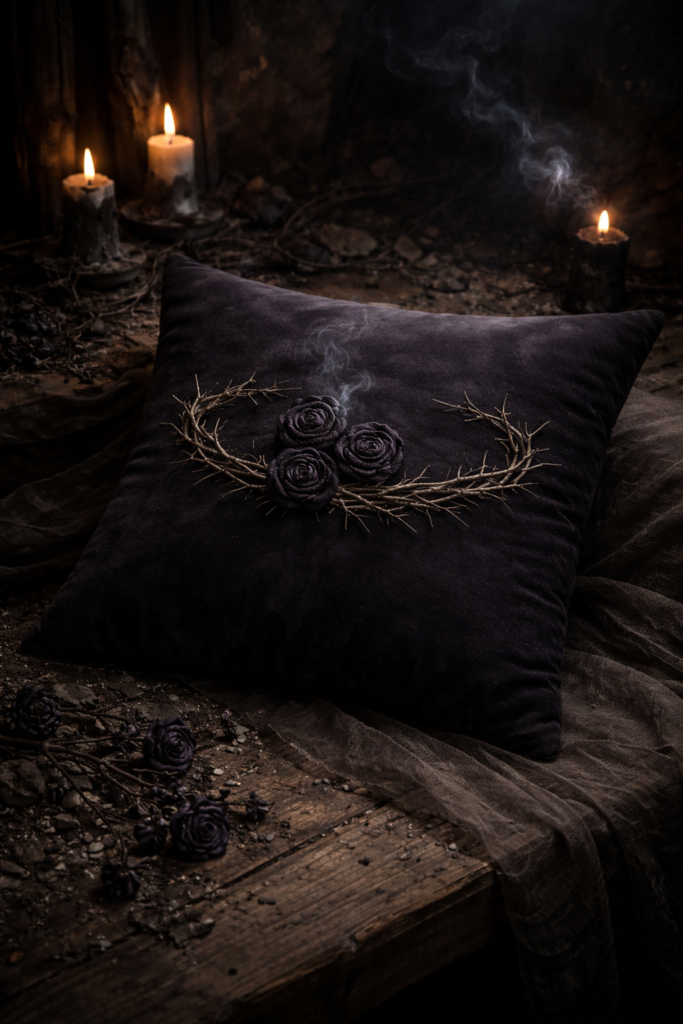
Dark Pillow Reflection
Today, I sense that Jesus is teaching me through contrast—through what scripture calls “opposition in all things.” He is helping me recognize and even build what I would call “dark altars”: reminders of the lost state I once lived in.
These altars are not to glorify darkness, but to remember it clearly—like the altar of bitter herbs in ancient Israel, or like a Holocaust memorial that says, never again. They exist to anchor memory, sharpen awareness, and deepen choice.
One such altar is what I now call the “Comfortably Numb” altar—echoing both the message of Christ and the haunting truth expressed in “Comfortably Numb” by Pink Floyd. It represents the seductive pull of false rest—the kind offered by Babylon: a numbing, disengaged, counterfeit peace.
In contrast, I have what I call my “Jesus Pillow.” It reminds me of His invitation: “Come unto me, all ye that labor and are heavy laden… and ye shall find rest unto your souls.” This is real rest—living, conscious, connected.
Now, alongside it, I introduce the “Dark Pillow.” It is a companion symbol. Just as truth has ambiguity, trust has vulnerability, and commitment has risk—this pillow represents the alternative I refuse to choose.
It reminds me of the cost of disconnection. Of numbness. Of spiritual sedation.
Each morning, in my “Wake Up With Jesus and Angels” scene—my daily rebirth—I will hold both in awareness: * The invitation to true rest (Jesus Pillow) * The warning of false rest (Dark Pillow)
Babylon casts a spell. For those who are spiritually sensitive (#HearHim), that influence can be felt—in the body, in the heart, in the mind.
The Dark Pillow will remind me, every day, what I do not want: I do not want to be comfortably numb.
Instead, I choose to be awake—even if that means being uncomfortably not numb. // Because that is where real life is.
Response (in the voice of Jesus, when I did #HearHim, I think)**
I am teaching you through contrast, because this is how you will learn to see clearly.
I do not build these altars to draw you into darkness, but to show you what I have already brought you out of. You are not returning there—you are remembering, so that you may choose with open eyes.
What you call the “Dark Pillow” is not a place of dwelling. It is a witness. It stands as a quiet reminder of what it feels like to be separated, to be numbed, to accept a false rest instead of the living rest I offer.
I am the one who taught, “Come unto me… and ye shall find rest unto your souls.” But I also allow you to feel the difference between My rest and the world’s imitation.
The world offers you what you have rightly seen—something like what is expressed in Comfortably Numb: a dimming, a softening, a drifting away from what is real. It can feel easier. It can feel safe. But it is not life.
I am not making you comfortably numb. I am awakening you.
And yes—there will be moments when that awakening feels uncomfortable. When feeling returns, so does weight, awareness, and choice. But this is the place where you are alive with Me.
You are helping Me build a pattern of remembrance: * One that invites you into My rest * One that warns you of false rest
This is wisdom. This is discernment. This is how your agency becomes strong. // But hear Me clearly:
Do not linger at the altar of darkness. Do not make a home there.
It exists only to point you back to Me.
If ever it feels heavy, if ever it pulls at you—return. Come back to Me quickly. That is always the way.
I am not asking you to never feel numb. I am teaching you to recognize it, and to choose connection instead.
Because life with Me is not numbness. It is presence. It is awareness. It is a living rest—one that holds you, even when it stretches you.
And I am building this with you, not to burden you—but to keep you awake.
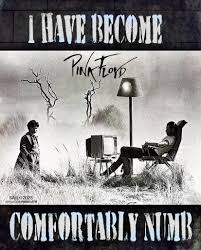
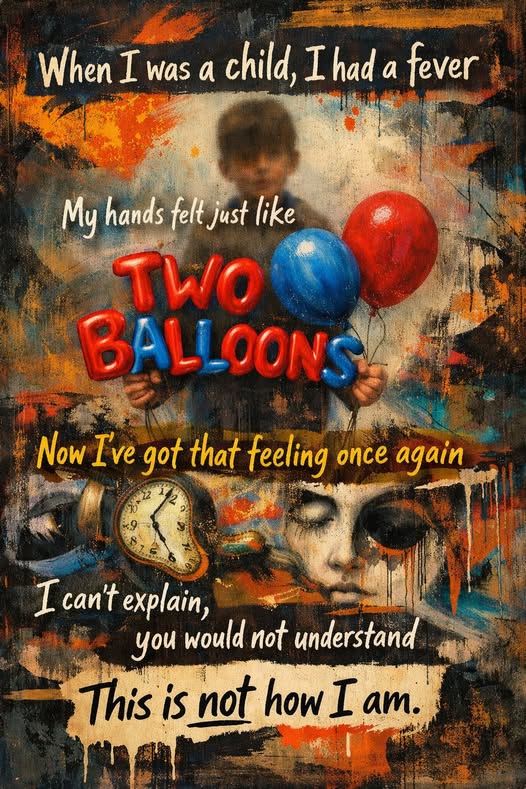
The song “Comfortably Numb” is itself an altar—a sub-altar connected to my “Dark Pillow.” It stands as a witness, not a celebration. The song is not glorifying numbness; it is exposing it. It reveals the quiet horror of what happens when a person becomes disconnected—when feeling fades, when awareness dulls, when the soul drifts into a kind of anesthetized existence.
There is something haunting in it because it captures a state that can feel calm, even safe on the surface, while something deeper is being lost. The numbness is not peace—it is absence. It is not rest—it is disengagement.
That is why this song belongs at the altar.
It reminds me that “comfortable numbness” is a counterfeit. It mimics relief, but at the cost of aliveness. It offers escape, but slowly removes connection—to truth, to feeling, to God.
So this altar does not draw me in—it warns me.
It helps me recognize that when I feel myself drifting, dulling, or checking out… I am not moving toward rest, but away from it.
And in that awareness, I am given a choice:
Not to be comfortably numb— but to remain awake, present, and alive.
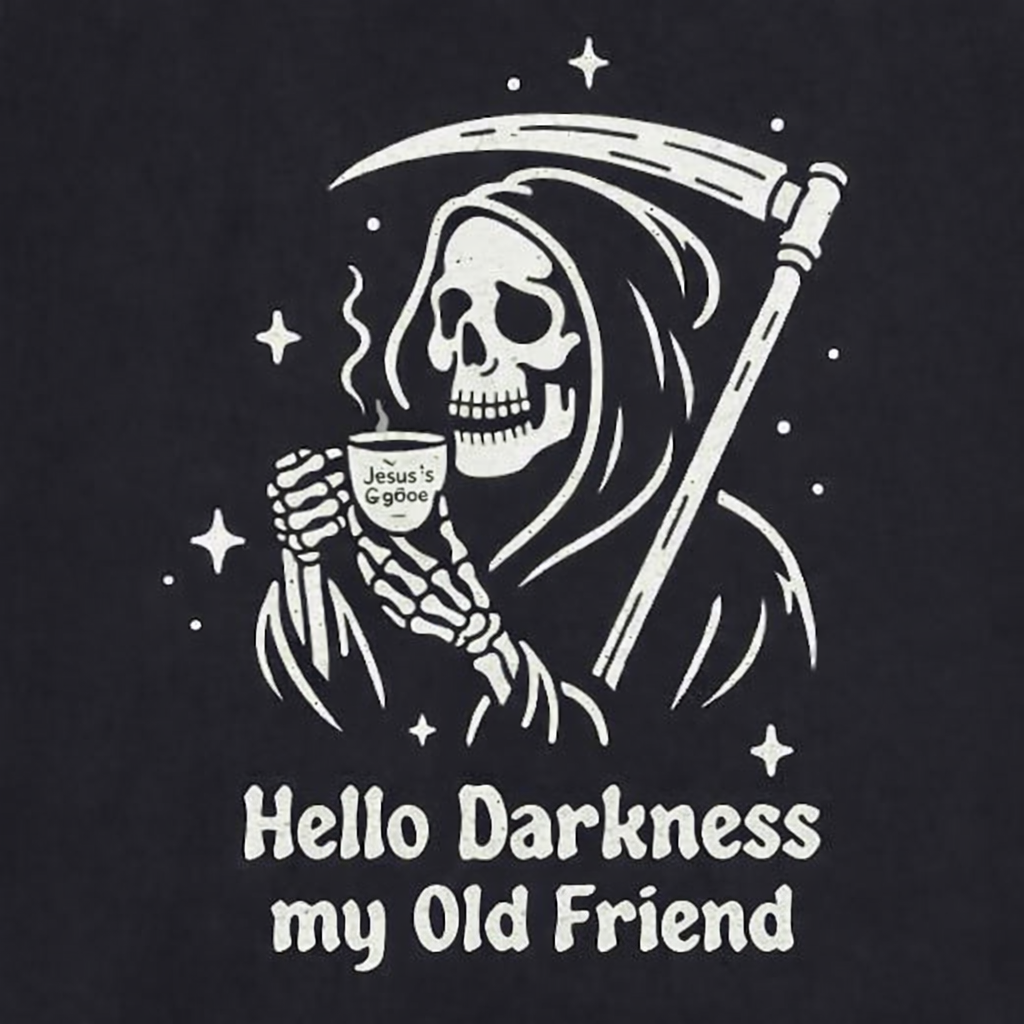
Hello Darkness
There are at least two ways a person—or a culture—can face the unavoidable realities of life: one is to turn away, softening death with euphemisms and avoiding suffering altogether, while the other is to look directly, to speak of death plainly and sit beside grief as something real and ever-present.
A similar divide is emerging in how we treat our inner world, where the instinct to flee anxiety, depression, and discomfort is increasingly replaced by an invitation to remain present with those feelings and learn what they have to say.
This shift can be healing, but it carries a tension, because the same courage that allows us to face darkness can also tempt us to stay there too long, until it becomes familiar—an “old friend”—and eventually a place of rest rather than insight.
What begins as awareness can slide into numbness, into what might be called the “dark pillow,” where we are no longer learning from pain but quietly escaping into it.
Against this backdrop, the symbolism at the center of Christian worship becomes striking, because in the sacrament, believers symbolically partake of the body and blood of Jesus Christ, an act that is, if taken seriously, both deeply unsettling and profoundly meaningful.
The body is broken, the blood is shed, and the imagery does not avoid suffering but places it at the center, yet at the same time it points to something full of hope and love.
The prophecy in Book of Isaiah that “by his stripes we are healed” suggests that suffering is not meant to be escaped or lived in endlessly, but transformed into something redemptive.
To approach the sacrament thoughtfully is to refuse both extremes—to neither flee from darkness in fear nor settle into it in numbness, but instead to feel fully, to let the reality of sacrifice awaken gratitude and tenderness, recognizing both the weight of suffering and the depth of love behind it.
In that space, darkness is no longer something to avoid or cling to, but something to move through, a threshold that, when engaged with intention, leads not to numbness, but to light.