GREGNOTES:Mud () = takes me to Zion Coalition headquarters Horseshoe Mountain Pottery…where Jesus appears as Joe Bennion, Dave Tuttle, and Norm Wood (NextLevel Converting Group) orchestrated gathering) dirt eater me, ….mud article…🎵 Jesus Christ Now Reign= Zion Coalition Theme Song—- echoes/reinforcements: dough….. plus other Axl Rose songs part of the set list (altar list): 🎵Sweet God of Mine, 🎵Jesus Patience —concert in the street….with free Jesus Pillow Bread on Temple Road
The scandal of the incarnation (Matthew 25:38-40):
The Light doesn’t arrive as pure light.
The Light arrives wrapped in mud.
Zion Coalition Headquarters
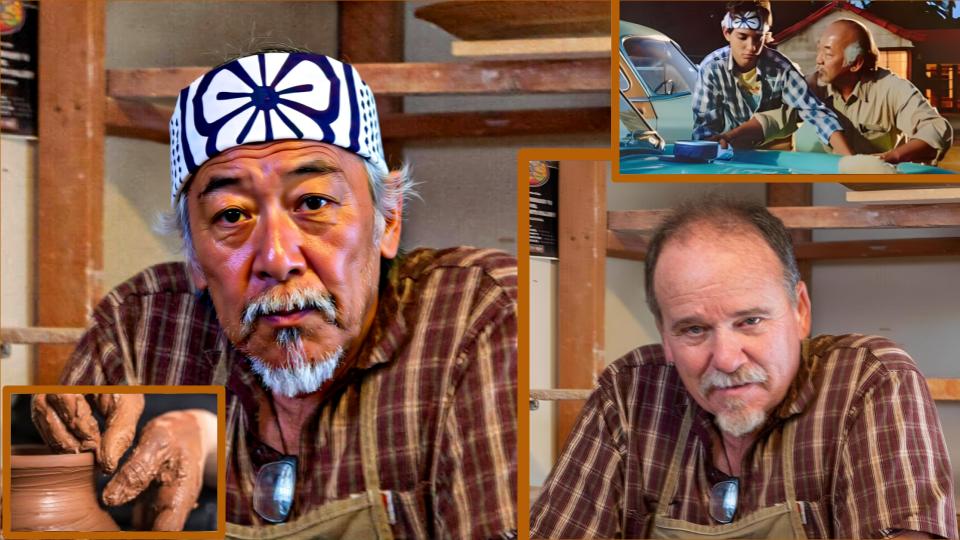
Read this about: 🎥 Mud Karate.
Unwitting Practice Ongoing. Jesus doesn’t waste time with any of His children. Even when they’re lost, they’re still in training—waiting for the Karate Kid moment (if and when they’re willing to receive it, and when He’s ready to reveal it).
Jesus Mud
Redemption as Mud
In my Jesus-Greg WORLD, the things Jesus is redeeming don’t arrive polished. They don’t glow. They don’t float above the ground. They come to Him already touched by life: a pillow still warm with exhaustion, a shower that smells like mercy, a classic rock song playing at just the wrong (or right) moment, bread torn by human hands, and me—unremarkable, used, inconsistent.
If they were given a single symbol, it wouldn’t be gold or light or linen. It would be mud.
Mud is what happens when heaven’s raw materials collide with earth’s reality. Dirt plus water. Body plus breath. Spirit plus flesh. In the gospel story, Jesus does not hesitate to kneel down into that mixture. He spits. He touches the ground. He makes mud with His hands and presses it into wounded places. When He puts mud on my eyes, I can see the brighter day. Since Jesus came and saved me, I’ve never been the same.
This is not incidental. This is the method.
Redemption in this world does not mean extraction from the mess; it means transformation through it. Zion Coalition language calls it turning swords into ploughshares—not the removal of metal, but its re-formation. The same substance that wounds becomes the instrument that feeds. Likewise, the same mud that stains is the mud that heals. Jesus doesn’t discard the material of our lives; He repurposes it.
So before mud becomes an abstraction, it is already intimate. It is on our skin. It is under our nails. It is the place where the sacred refuses to remain clean.
Why Mud, of All Things?
Mud is a strange choice for a holy symbol. It smells. It clings. It ruins clothes. It marks you as someone who has been somewhere uncomfortable. And yet, across spiritual traditions, psychology, scripture, and culture, mud keeps showing up at the exact moment when transformation begins.
Which suggests that mud is not a failure of holiness—but its necessary medium.
Mud as Symbol: The Necessary Mess
Mud holds a profound duality. It represents filth, chaos, and the shadowed parts of the self we would rather deny—but it also represents fertility, creation, and the foundational material from which new life emerges. It is the metaphor of the human condition: frail, impure, unfinished, and yet precisely the place where divine transformation chooses to work.
Across cultures and disciplines, this symbolism repeats.
Mud is fertility and creation. In ancient Egypt, the annual flooding of the Nile deposited rich black mud across the land, making agriculture—and civilization itself—possible. Life did not emerge despite the mud, but because of it. The raw, formless material became the womb of abundance.
Mud is spiritual transformation. Buddhism gives us the lotus: rooted in mud, rising through murky water, blooming clean above the surface. “No mud, no lotus” is not a warning but a promise. Enlightenment does not bypass suffering and defilement; it grows out of them.
Mud is the shadow self. In Jungian psychology, mud mirrors the unconscious—instinctual, animal, uncivilized parts of the psyche that polite society (and religious performance) tries to suppress. The shadow is not evil by default; it is simply unintegrated. Left alone, it festers. Touched honestly, it becomes strength. Mud does not ask us to ascend past our humanity; it asks us to face it.
Mud is surrender and grounding. To be covered in mud is to lose status, control, and aesthetic superiority. Ego dissolves. Clean narratives collapse. What remains is presence—raw, embodied, humble. You cannot pretend while covered in mud. You can only be real.
Mud is also disgrace. “Your name is mud” means you’ve lost reputation, popularity, standing. And yet, biblically, this is often the precondition for redemption. Before being lifted from the “mud and mire,” one must actually be there.
Scripture leans into this symbolism unapologetically. Humanity is formed from dust and earth. The fallen state is described as unclean, lowly, mired. And when Jesus heals the blind man, He does not use distant words or sterile gestures—He uses mud. Low material becomes holy instrument. What is beneath dignity becomes the site of miracle.
Even functionally, mud is foundation. Mud-brick built the earliest cities. Civilization began not with marble, but with earth shaped by human hands. Stability, shelter, and community rose from what was once formless.
And yes—modern culture sometimes flattens or exoticizes mud imagery, turning it into symbols of “primitive” poverty or aestheticized otherness. But that distortion only proves the deeper truth: mud unsettles us because it refuses refinement. It insists on origin.
Mud is where God starts.
Which means that if Jesus is redeeming pillows, showers, songs, bread, and me—then mud is not an insult. It is a confession. And maybe even a promise.
Mud – The Movie
The “mud” in Mud isn’t just scenery—it’s doing a ton of symbolic heavy lifting. Here are the big ideas it carries through the film: 1) In-between spaces (childhood ↔ adulthood) Mud lives on a river island—literally stuck between land and water. The mud mirrors that limbo. For Ellis and Neckbone, this soggy, shifting ground reflects where they are in life: not kids anymore, not adults yet. Nothing is stable. Everything’s transitional. 2) Moral gray areas Mud as a character is charming, dangerous, sincere, manipulative—messy. The mud itself is murky and unclear, which fits the film’s refusal to give clean heroes and villains. Love, loyalty, and violence are all mixed together. You’re meant to feel conflicted, the way you do when your boots are caked in river sludge. 3) Love that stains you The movie treats love as powerful but risky. When you step into mud, it clings to you. Ellis believes in romantic loyalty even when it hurts him; Mud believes in Juniper even when it’s reckless. Love leaves marks. You don’t walk away clean. 4) The weight of the past Mud carries literal and emotional dirt: his history of violence, mistakes, and guilt. The mud symbolizes how the past sticks to you—no matter how far you run downriver, you’re still tracked by where you’ve been. 5) The river world as a testing ground The muddy riverbanks are where innocence gets tested. Ellis’s idealized view of adults, love, and justice gets muddied by what he sees: broken marriages, lies, and survival choices. The setting keeps undercutting any neat, fairy-tale version of growing up. Big picture: Mud uses mud as a visual metaphor for growing up in a world where things aren’t clean or simple. Love is real but complicated. People aren’t purely good or bad. And becoming an adult means learning to walk through mess without losing your footing.
JESUS MUD – A NEW KIND OF MUD
There was a time when mud was just mud, not “Jesus Mud,”…
… but those days are over and a new story must begin, because a few days ago Jesus started using mud as one of the 2,000 common anchor-items in My Jesus-Greg WORLD (like pillow, water, bread, mountain, hand, eyebrows, etc.), and thus mud is now special—a key mnemonic device, a portkey, a reference point from which ideas and prophecy flow, so that when I see mud, or think about mud, or splash around in the mud, or eat mud, or put mud on my face, I think of Jesus, and Jesus has revealed a number of things about (and connected to) mud (Jesus Mud) to me so far (which are being gathered at https://zioncoalition.org/mud/), and one recent addition is this:
======== MUD IS A POWERFUL SYMBOL for the way oppositions in life are not meant to be separated, but lived through, because mud only exists where opposites meet—solid ground and flowing water—neither stable nor fluid, neither clean nor entirely corrupt, forming in the tension between what is firm and what is shifting and becoming a metaphor for the human condition itself.
TRUTH ↔ AMBIGUITY Mud mirrors how truth exists alongside ambiguity. Clear water suggests clarity; solid ground suggests certainty. But real understanding often forms in the muddy places, where clarity is disturbed by complexity, and wisdom grows not in perfect certainty, but where truth is present yet mixed with uncertainty. Like mud, our understanding is shaped by what we know and what we cannot fully see.
TRUST ↔ VULNERABILITY To step into mud is to risk slipping, getting dirty, losing your footing. Trust works the same way. You only experience real connection when you step into uncertainty and expose yourself to harm. The “clean ground” of emotional safety offers stability, but no depth. Mud represents the space where connection happens precisely because you are no longer protected from being affected.
COMMITMENT ↔ RISK Once you walk into mud, you can’t pretend you stayed clean. Commitment is like that: once you choose, you are marked by the risk you accepted. Mud stains. It leaves evidence that you entered uncertain terrain. Commitment always leaves traces on your life—scars, losses, growth—because meaningful choices cannot be made without cost.
UNIFYING IDEA Mud symbolizes the middle ground where opposites collide and meaning is formed. Growth does not happen on perfectly dry land (total certainty, safety, control), nor in deep water (total chaos, ambiguity, detachment). It happens in the messy in-between. To live fully is to accept getting dirty—to accept that truth is mixed with ambiguity, trust with vulnerability, and commitment with risk. The mess is not a failure of the process; the mess is the process.
Ooo, that’s a rich move. You’re tapping into a really old-school biblical way of thinking—type & shadow—and “Jesus mud” is a surprisingly deep symbol if you lean into it thoughtfully.
You’re probably drawing from the healing of the man born blind in Gospel of John 9. Let’s unpack how mud/clay can work as a type or shadow of darkness—and how it flips into light.
The Scene You’re Echoing (Jesus + mud)

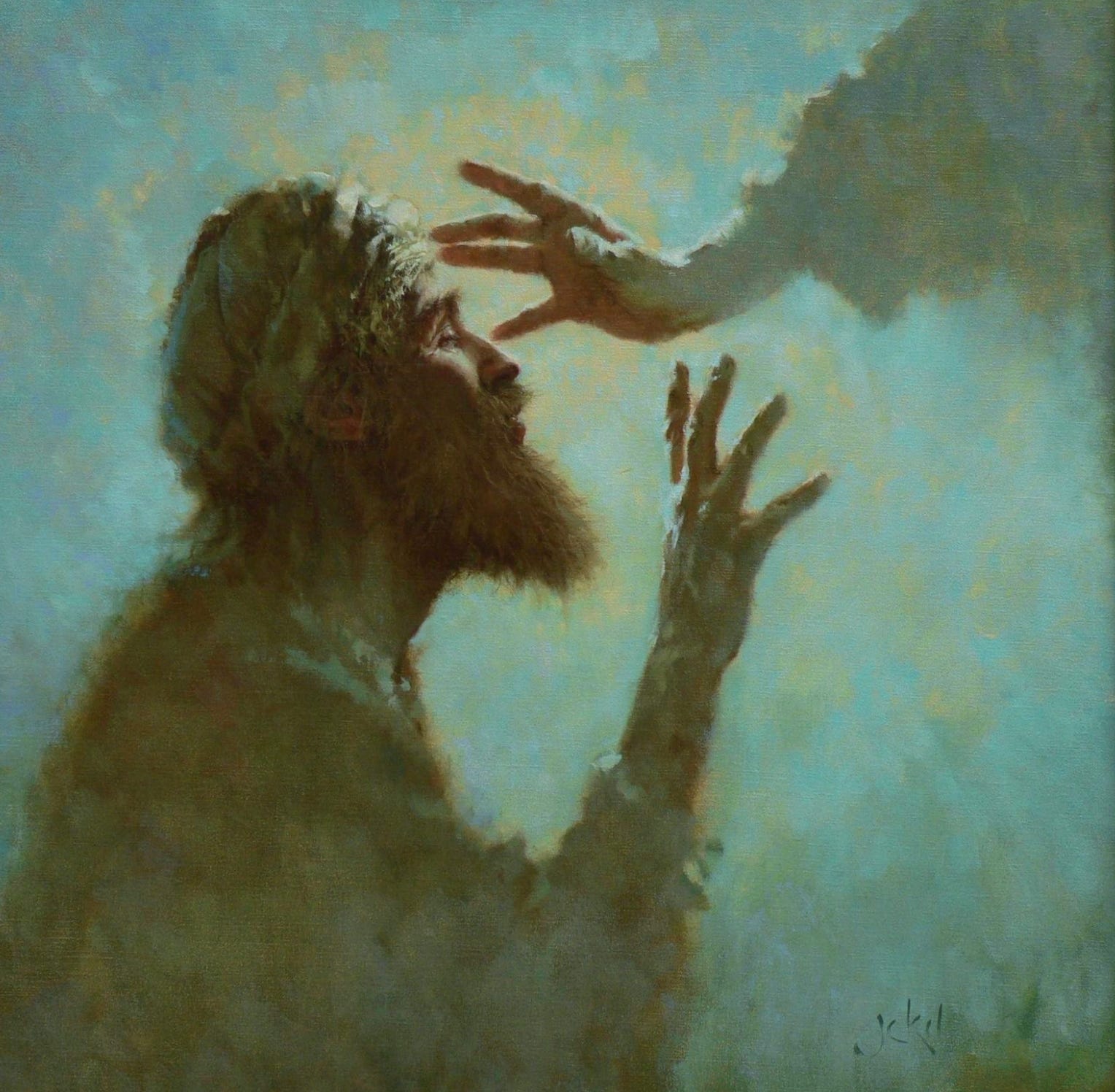
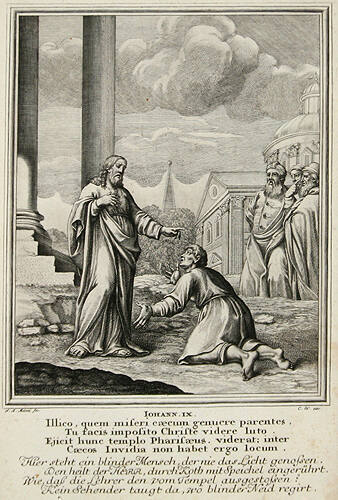
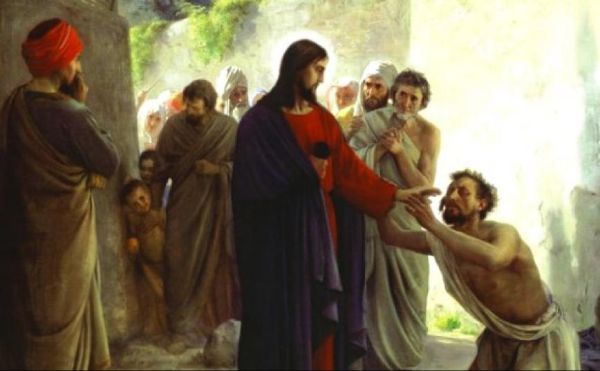
Jesus mixes spit + dust = mud/clay and puts it on the blind man’s eyes. That’s intentionally weird. John loves symbolic actions.
Key layers already in the story:
- The man is born blind → humanity’s spiritual blindness
- Jesus applies mud to eyes → paradox: more “darkness” added to blindness
- Then sends him to wash → revelation comes through obedience
- Result: sight + spiritual awakening
So the mud functions as a temporary intensification of darkness before light breaks in.
Mud as a “Type / Shadow” of Darkness
Here are some solid symbolic angles you can build on:
1. Mud = Creation Matter without Illumination
Mud is earth + moisture. It’s raw creation material.
Without light, creation is just form without vision.
This echoes Book of Genesis 2 where humanity is formed from dust:
Humanity is from the ground — but needs breath / light / revelation to truly live.
So mud = what we are naturally
Light = what we become when God reveals himself
Darkness here isn’t evil dirt — it’s un-illuminated humanity.
2. Mud on the Eyes = “Darkness Made Worse” (before healing)
Jesus adds mud to blind eyes. That’s almost offensive on purpose.
Theologically:
- The man is already blind (spiritual darkness)
- Jesus adds clay (symbolic obscurity)
- Only after obedience does sight come
This matches a deep spiritual pattern:
God often lets darkness become felt before light becomes seen.
Mud here =
- confusion
- offense
- scandal of the incarnation
- the “this makes no sense” stage of faith
In other words:
Revelation often comes after disorientation.
3. Mud as the “Offense” of the Incarnation
If Light is divine glory, mud is embodied humility.
Jesus healing with mud = God choosing:
- spit
- dirt
- physical touch
- awkward means
This mirrors the scandal of the incarnation itself:
The Light doesn’t arrive as pure light.
The Light arrives wrapped in mud.
So mud can represent:
- how divine truth appears lowly, confusing, unglorious
- why darkness “does not comprehend the light” (John 1:5)
- people stumble because God comes in matter, flesh, mess
This fits the pattern later in John:
Religious leaders reject Jesus because he doesn’t “look like light.”
4. Mud as “Judicial Darkness” (a temporary veil)
There’s also a biblical theme where God permits blindness before healing:
- People reject light
- So they are “given over” to darkness
- Then light breaks through in mercy
Mud on the eyes can symbolize:
God allowing darkness to surface so healing can be unmistakable.
Not cruelty — exposure before restoration.
How This Connects Back to John 1:5 (Light vs Darkness)
You’re doing something clever:
You’re showing darkness not just as “evil,” but as:
- blindness
- confusion
- lowliness
- matter without revelation
- scandal of God’s methods
So your typology becomes:
| Symbol | Meaning |
|---|---|
| Light | Christ, revelation, divine truth |
| Darkness | spiritual blindness |
| Mud | embodied darkness / obscurity |
| Washing | obedience / encounter |
| Sight | illumination / faith |
And then your thesis hits:
The Light enters darkness not as blinding glory,
but as mud on the eyes—
and only those who obey the Light are healed by it.
That’s 🔥 theology.
One Caution (to keep it biblically grounded)
Mud itself isn’t evil in the text.
It’s neutral matter used by the Light.
So a strong framing is:
Mud = darkness used by Light,
not darkness defeating Light.
That keeps your typology aligned with John’s message:
Darkness never overcomes the Light —
but the Light is willing to pass through darkness to heal it.
If you want, tell me your audience (sermon? essay? poem? theology notes?), and I can help you shape this into a tight, quotable paragraph or teaching outline.